
The Total Well Connect Blog
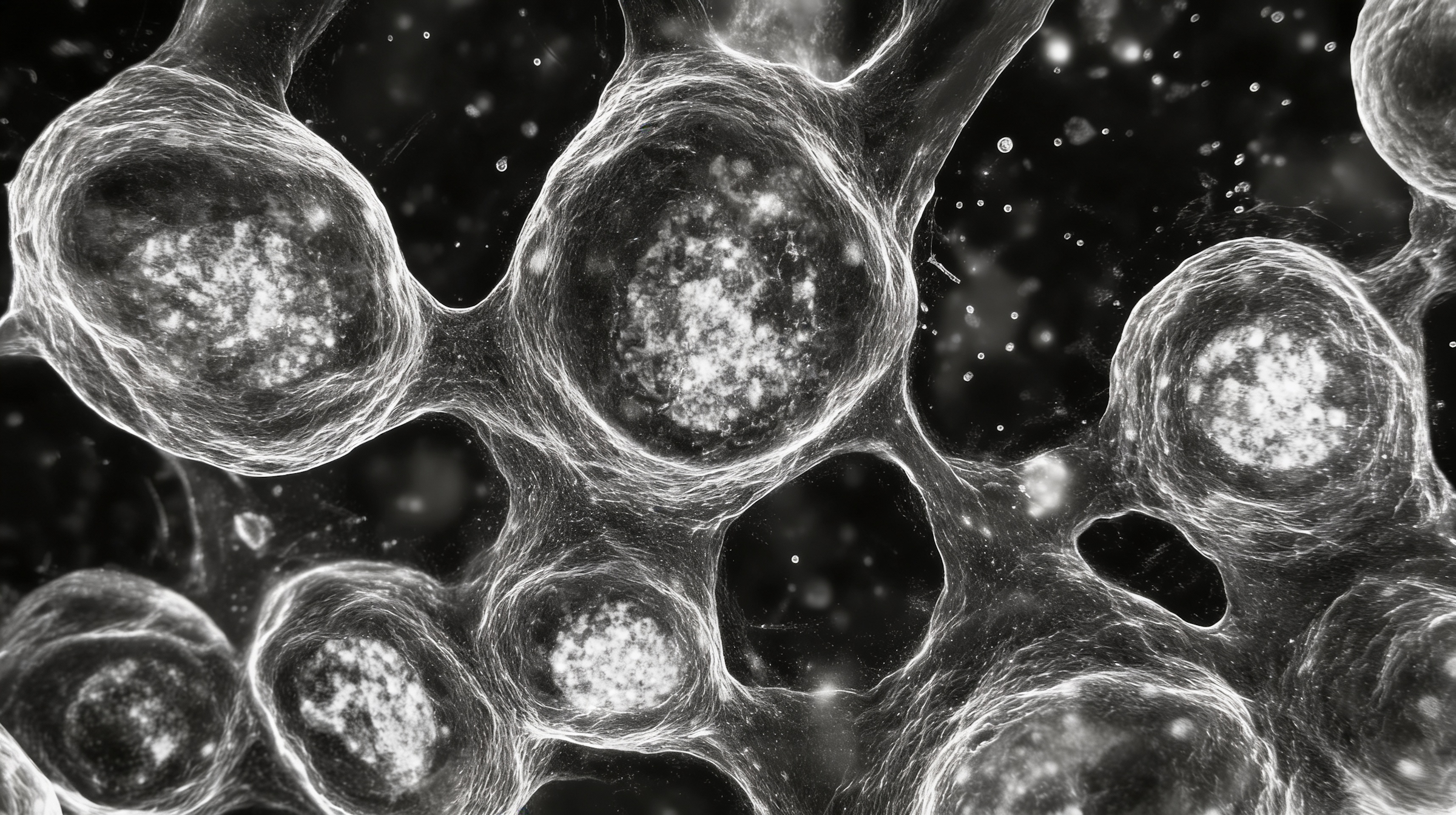
Metabolic Optimization in 2026: What It Really Means and How to Get Started
Learn what metabolic optimization really is, why it matters for your long-term health, and science-backed strategies to support your body's natural energy systems.
If you've spent any time in wellness circles lately, you've probably heard the term metabolic optimization tossed around. But what does it actually mean—and why are researchers, health practitioners, and biohackers all talking about it?

Welcome to Total Well Connect: Your New Home for Mind-Body Optimization and Modern Wellness
We are thrilled to officially announce the launch of Total Well Connect—a members-only wellness platform designed for people who refuse to settle for outdated health advice. If you've ever felt like the traditional healthcare system wasn't built with your best interests in mind, you're not alone. Total Well Connect was created to bridge that gap, giving you the tools, knowledge, and community support to take charge of your own health journey.

Building a Wellness Brand That Doesn't Feel Like Everyone Else's
Scroll through wellness Instagram for five minutes and you'll see the same thing over and over:
Sunrise yoga poses. Gratitude journals. Green smoothies. Aesthetic flat lays of supplements. Captions about "vibrations" and "manifesting" and "living your truth."
It's not that any of this is bad. It's just... the same. The same aesthetic. The same language. The same vibe. A wellness industrial complex where everyone sounds like they're reading from the same script.
And if you're trying to build a wellness brand—whether as a coach, educator, affiliate marketer, or content creator—standing out in this sea of sameness feels impossible.
But here's the truth: differentiation isn't about being louder or more extreme. It's about being specific. It's about finding the intersection of what you know, who you serve, and how you communicate—and owning that space so completely that people can't confuse you with anyone else.
This post is for the person who's tired of blending in. Who's sick of "wellness influencer" being shorthand for surface-level spirituality and supplement shilling. Who wants to build something that feels authentic, credible, and unmistakably theirs.
You don't need to be everything to everyone. You need to be something specific to someone specific. Let's talk about how.

GHK-Cu: What the Research Says About This Copper Peptide
If you follow skincare research, you may have come across GHK-Cu (glycyl-L-histidyl-L-lysine-copper)—a copper peptide that has been studied since the 1970s for its potential effects on skin health, wound healing, and tissue repair.
Despite decades of research, GHK-Cu remains relatively unknown outside of skincare enthusiast circles. This post explores what the research actually shows, how GHK-Cu works, and why it may not be as widely discussed as other skincare ingredients.

Understanding NAD+ and Metabolic Peptides: The Science Behind Cellular Energy
If you've spent any time exploring longevity, biohacking, or metabolic optimization, you've likely encountered NAD+. It's one of those molecules that appears in nearly every conversation about cellular health, energy production, and aging. But what exactly is NAD+? And how do peptides fit into the picture?
This guide breaks down the science of NAD+, explores the role of metabolic peptides like 5-Amino-1MQ, and explains why supporting cellular energy pathways has become a cornerstone of modern wellness strategies.

Peptide Storage and Handling: Everything You Need to Know
You've invested in high-quality peptides. You've learned proper reconstitution technique. But if you're not storing your peptides correctly, you might be undermining all that effort. Peptides are powerful compounds, but they're also delicate. Temperature fluctuations, light exposure, and improper handling can all degrade their effectiveness—sometimes without any visible signs that something's wrong.
This guide covers everything you need to know about peptide storage and handling, from the moment your package arrives to the final dose. Because protecting your investment isn't just about what you do—it's also about what you avoid.

Growth Hormone Peptides: CJC-1295, Ipamorelin, and Tesamorelin Demystified
Growth hormone peptides have become some of the most sought-after compounds in the wellness optimization space—and for good reason. They offer a way to support the body's natural growth hormone (GH) production without the risks and complications associated with synthetic GH injections. But with names like CJC-1295, Ipamorelin, and Tesamorelin floating around, it's easy to feel overwhelmed.
This guide breaks down the science behind these three popular growth hormone peptides, explains how they work, and helps you understand which one (or combination) might align with your wellness goals.

The Archives & The Wellness Lab: Where Peptide Education Meets Affiliate Mastery
The wellness industry is at an inflection point. Peptides, once relegated to research labs and elite athletic circles, have entered mainstream consciousness. People are asking better questions about their health, demanding more than surface-level solutions, and seeking tools that offer real, measurable results.
But here's the challenge: as interest grows, so does misinformation. The space is flooded with conflicting advice, questionable sources, and oversimplified narratives that don't do justice to the sophistication of peptide science.
That's why we built The Archives—and why we're launching The Wellness Lab.
The Archives is a curated educational resource for those who refuse to settle for guesswork. It's a digital library of peptide knowledge, designed with the elegance and precision this science deserves. The Wellness Lab takes that foundation and builds on it, offering a path for those who want to do more than learn—they want to earn.
This is where peptide education meets affiliate mastery. And it's unlike anything else in the wellness space.

Peptide Reconstitution: Why Precision Matters and What You Need to Know
If you've been researching peptide therapy, you've probably encountered the term "reconstitution"—the process of transforming lyophilized (freeze-dried) peptide powder into an injectable solution. It's a critical step that directly impacts the stability, efficacy, and safety of peptide therapy.
And it's also where things can go seriously wrong.

BPC-157 vs. TB-500: Which Healing Peptide Is Right for Your Goals?
In the world of regenerative peptides, two names consistently rise to the top: BPC-157 and TB-500. Both are celebrated for their healing properties, but they work through different mechanisms and excel in different contexts. If you're exploring peptide therapy for recovery, injury repair, or tissue regeneration, understanding the distinctions between these two compounds is essential.
This guide breaks down the science, applications, and key differences between BPC-157 and TB-500—so you can make an informed decision about which peptide (or combination) aligns with your goals.

Why Baseline Testing Matters: The Case for Working with a Nurse Practitioner Before Starting Peptides
Peptide therapy has become one of the most talked-about tools in the wellness optimization space—and for good reason. From metabolic support to tissue repair, peptides offer targeted, sophisticated approaches to health that go far beyond what traditional interventions provide. But here's what often gets lost in the excitement: starting peptides without proper baseline testing is like building a house without checking the foundation.
You wouldn't guess your way through a renovation, and you shouldn't guess your way through your health. This is where working with a knowledgeable nurse practitioner (NP) and getting comprehensive lab work becomes non-negotiable. Baseline testing isn't just a safety measure—it's the strategic advantage that turns peptide use from a shot in the dark into a precision tool.